
Trading bots promise to run your altcoin strategy around the clock, and most platforms offer a free trial or a paper-trading mode to prove it. Every one of those trials starts with an account, and many ask for a phone number before you can open the dashboard. While you are still comparing platforms, an smsfast virtual number can receive those sign-up codes, so your personal number stays reserved for the exchange that actually holds your coins. This guide shows how to test bots properly and where the line between trial and live trading must stay.
Why a bot trial needs its own setup
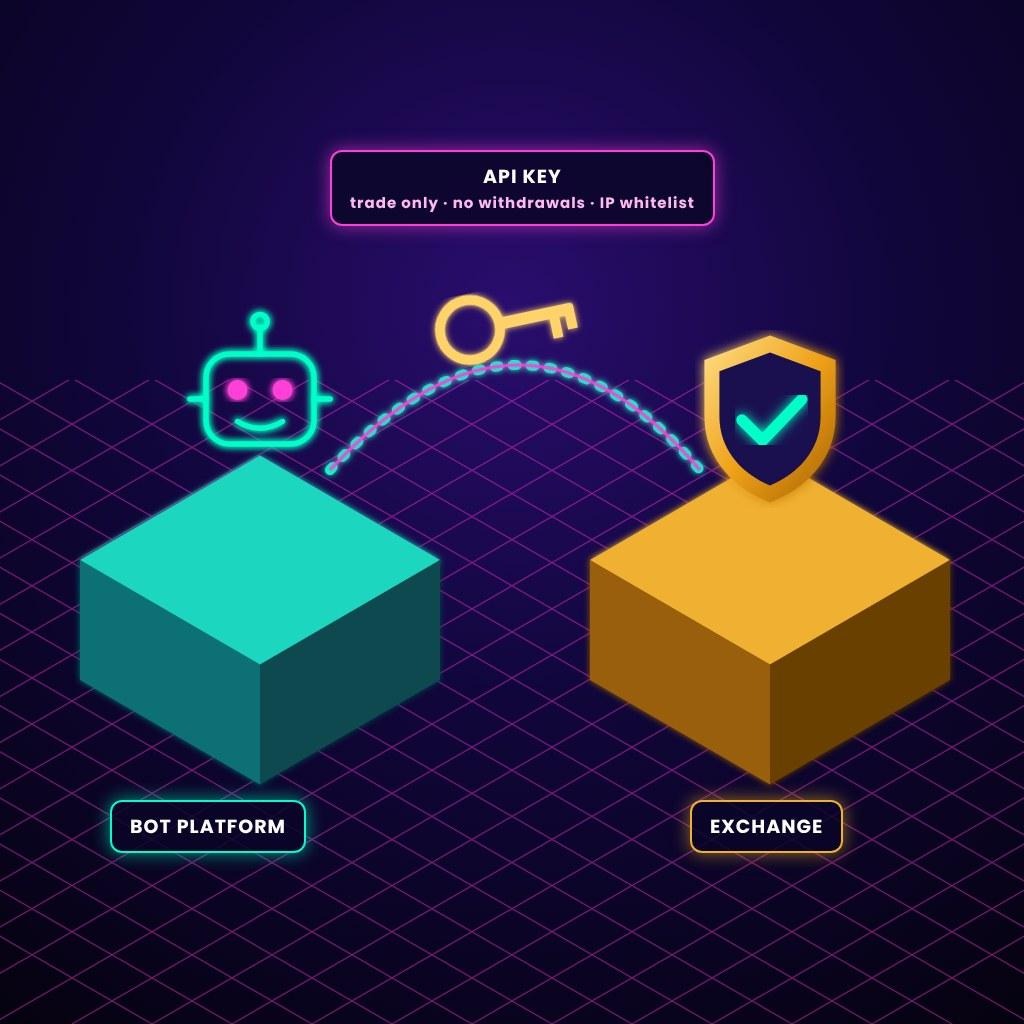
A bot platform is a strategy engine that sits between you and your exchange. It reads prices, applies rules such as grid, DCA or trend following, and sends orders through an API key that you create on the exchange. During a trial you only need the strategy engine, not the connection to your funds.
Treating the trial as a separate setup keeps mistakes cheap. You can open three or four platforms, run the same altcoin strategy on paper and compare results for a few weeks. None of that requires your real phone number or a live API key.
What a bot platform can and cannot do
Bots execute rules faster and more consistently than a person, but they do not know the future. On January 25, 2024, the US Commodity Futures Trading Commission (CFTC) published a customer advisory titled “AI Won’t Turn Trading Bots into Money Machines.” The advisory warns that AI technology cannot predict sudden market changes and that promises of very high or fixed returns are a red flag.
Keep that in mind while you compare platforms. A good trial shows you how a bot behaves in a volatile week, how it handles fees and slippage on low-liquidity altcoins, and how quickly you can stop it. A marketing page full of profit screenshots shows none of that.
Trial stage vs live stage
The safest way to test bots is to split the process into two stages with different accounts and different numbers.
| Stage | What you connect | API key permissions | Which number |
| Comparing platforms | Paper trading only | None | Virtual number |
| Backtesting strategies | Historical data | None | Virtual number |
| Small live test | Exchange sub-account with a small balance | Trade only, no withdrawals, IP whitelist | Your own SIM number |
| Full live trading | Main exchange account | Trade only, no withdrawals, IP whitelist | Your own SIM number plus authenticator app |
The moment a bot can place real orders, the bot platform account becomes part of your security chain. From that point it needs a number you control for years.
How to compare bots in five steps
A structured routine makes results comparable and keeps your main accounts out of the test.
1. Shortlist three or four platforms that support your exchange and the altcoin pairs you trade.
2. Register each with a separate email and a virtual number, and enable two-factor authentication where offered.
3. Run the same strategy in paper mode on every platform for at least two weeks.
4. Record fills, fees, drawdown and how each bot reacted to the largest price swing in that period.
5. Delete the accounts of platforms you reject, then rebuild the winner on your own number before going live.
Services such as SMSFAST offer numbers in 190+ countries for more than 500 platforms, with activations of 20 to 90 minutes and rentals from one day to one year.
Securing the API key when you go live
Most bot losses that are not caused by the market come from weak API settings. Before connecting any bot to real funds, check each of these points on your exchange:
- Withdrawals disabled: the key can trade but can never move coins out of your account.
- IP whitelist enabled: the key works only from the bot platform’s published server addresses.
- Sub-account used: the bot trades a limited balance instead of your whole portfolio.
- Expiry or review date set: you rotate the key regularly and delete keys from platforms you stopped using.
An exchange account with these settings stays protected even if a bot platform has problems. Your phone number on the exchange then remains the last line of defense for withdrawals and logins.
Signal channels and bot marketplaces
Bot platforms rarely come alone. Many link to strategy marketplaces, copy-trading leaderboards and signal channels in chat apps, and each of those asks for its own sign-up. These extras only send information, so they can stay on the same virtual number you use for trials.
Judge them by their record, not their screenshots. A strategy with a short history, hidden drawdowns or no stop-loss rules deserves the same caution as any stranger promising quick profits online.
When your real number is required
Never register an exchange, a custodial wallet or a live bot account with a temporary number. Exchanges verify your identity, send withdrawal confirmations by SMS and use your phone for account recovery. If the number expires, you lose control at the worst possible moment.
Some bot platforms also refuse virtual numbers or require a carrier number for live trading. Treat that as a sign the platform wants a stable contact, and switch to your own SIM before connecting funds.
The bottom line
Bot trials are cheap only when they stay separate from your money. Compare platforms on paper with a separate email and number, measure how each bot behaves in real volatility, and ignore promises of easy profits. When you go live, move the winning platform to your own number, use a trade-only API key with an IP whitelist and keep your exchange protected by an authenticator app.